
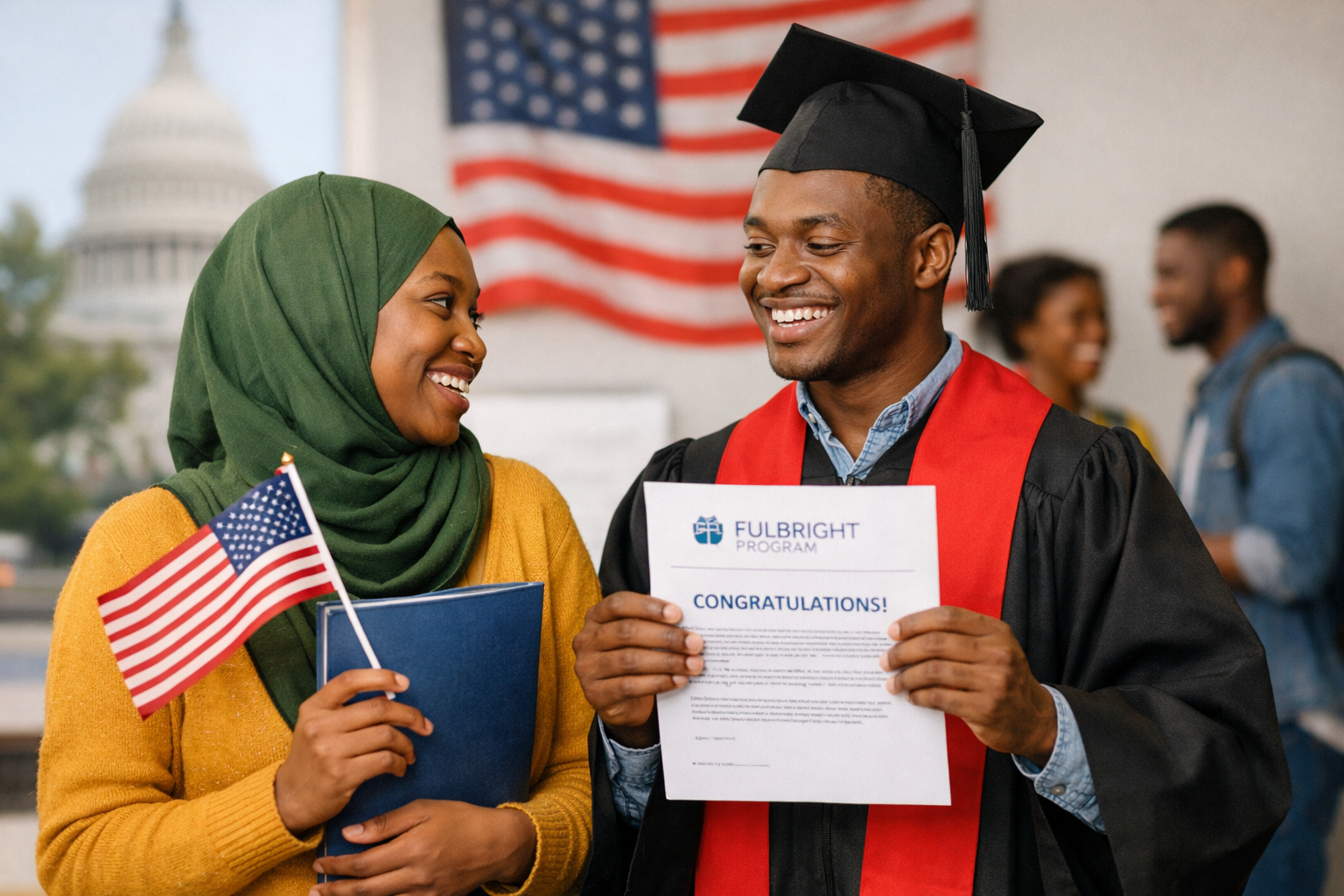
Fulbright Foreign Student Scholarship: Step-by-Step Guide for Nigerians & Africans to Study in America
The Fulbright Foreign Student Scholarship is one of the most prestigious fully funded international scholarship programs that gives Nigerians and other African students the opportunity to study in the United States without worrying about tuition fees, living expenses, travel costs, and academic support. Every year, thousands of students across Africa apply for the Fulbright program to pursue master’s and sometimes doctoral degrees in top American universities.
If you have ever dreamed of studying in the U.S. but financial limitations have held you back, this scholarship could be your golden opportunity. Beyond funding, Fulbright offers global exposure, leadership development, cultural exchange, and strong networking opportunities that can transform your academic and professional future.
This comprehensive guide explains everything Nigerians and African students need to know — eligibility requirements, benefits, documents, application steps, interview preparation, and proven strategies to increase your chances of selection.
What is the Fulbright Foreign Student Scholarship?
The Fulbright Foreign Student Program is a fully funded scholarship initiative sponsored by the U.S. government to promote international education, cultural exchange, and global collaboration. The program allows outstanding students from developing countries to study and conduct research in accredited U.S. institutions.
The scholarship primarily supports Master’s degree programs, although some countries may receive funding for PhD research. It is highly competitive and merit-based, focusing on academic excellence, leadership potential, and commitment to community development.
Benefits of the Fulbright Scholarship
One of the biggest reasons the Fulbright program attracts many African applicants is its comprehensive financial coverage. Successful candidates receive:
- Full tuition fees at U.S. universities
- Monthly living stipend
- Round-trip airfare
- Accommodation allowance
- Health insurance
- Books and research allowance
- Visa support and application guidance
- Pre-departure orientation and academic support
In addition to financial support, Fulbright scholars gain international recognition, leadership training, and membership in a powerful global alumni network.
Eligibility Requirements for Nigerians & African Students
Although requirements may vary slightly by country, the general eligibility criteria include:
- Citizenship of an eligible African country
- A completed bachelor’s degree with strong academic performance
- Demonstrated leadership qualities and community engagement
- Proficiency in English language
- A well-defined study or research plan
- Commitment to return home after program completion
For Nigerian applicants, preference is often given to candidates working in academia, public sector, NGOs, or professionals whose fields contribute to national development.
Fields of Study Supported
The Fulbright program supports a wide range of academic disciplines including:
- Public Health
- Engineering and Technology
- Agriculture
- Environmental Studies
- Education
- Economics and Development Studies
- Journalism and Communication
- Public Administration
- Law and Human Rights
Some programs like clinical medicine may have limitations, so applicants should verify country-specific guidelines.
Required Documents for Application
Preparing your documents early significantly improves your chances. Applicants typically need:
- Academic transcripts
- Degree certificates
- Personal statement
- Study/research objectives
- Curriculum Vitae (CV)
- Letters of recommendation
- English proficiency test scores (if required)
- Passport identification page
Your personal statement and study objective are especially important because they demonstrate your vision, leadership potential, and how the scholarship aligns with your country’s development.
Step-by-Step Application Guide
Step 1: Research the Program Timeline
Fulbright applications usually open between February and May depending on the country. It is crucial to monitor announcements early to avoid missing deadlines.
Step 2: Choose Your Field and Career Focus
Select a course aligned with your academic background, professional experience, and long-term development goals. Strong alignment improves selection chances.
Step 3: Prepare Academic and Professional Documents
Ensure your transcripts, certificates, CV, and references are well organized. Request recommendation letters early to avoid delays.
Step 4: Write a Strong Personal Statement
Your essay should clearly explain:
- Your academic journey
- Leadership experiences
- Career goals
- Impact you intend to create after returning home
Step 5: Complete the Online Application
Fill out the official Fulbright application form carefully and upload all required documents.
Apply through the official website:
https://foreign.fulbrightonline.org
Step 6: Take Required Tests
Shortlisted applicants may be required to take standardized exams such as TOEFL or GRE depending on the program.
Step 7: Attend the Interview
Successful candidates are invited for panel interviews where they are assessed on leadership, academic goals, and national development impact.
Step 8: University Placement & Visa Processing
After selection, Fulbright assists with university placement and provides visa support before departure.
Tips to Increase Your Chances of Selection
- Maintain strong academic records
- Show leadership and community impact
- Write compelling and authentic essays
- Choose development-focused study areas
- Demonstrate commitment to returning home
- Secure strong recommendation letters
Many successful Nigerian applicants emphasize how their education will address challenges such as healthcare access, education quality, economic growth, and technology innovation.
Common Mistakes Applicants Should Avoid
- Submitting generic personal statements
- Applying without clear career direction
- Weak recommendation letters
- Late document preparation
- Ignoring interview preparation
Avoiding these mistakes can dramatically improve your chances.
Interview Preparation Strategies
The Fulbright interview is designed to evaluate your leadership potential and development impact. Prepare by:
- Practicing common scholarship interview questions
- Explaining your research and career goals clearly
- Demonstrating confidence and communication skills
- Showing knowledge of challenges in your home country
Life as a Fulbright Scholar in the United States
Fulbright scholars enjoy a rich academic and cultural experience. Apart from studying, scholars participate in:
- Professional networking events
- Cultural exchange programs
- Leadership workshops
- Research collaborations
This exposure helps students build global competence and strong professional networks.
Post-Scholarship Opportunities
After completing the program, scholars return home with:
- Advanced academic knowledge
- International professional networks
- Leadership skills
- Better career opportunities
Many Fulbright alumni become policymakers, university lecturers, entrepreneurs, and development leaders across Africa.
Official Fulbright Information & Application Links
Conclusion
The Fulbright Foreign Student Scholarship remains one of the best fully funded opportunities for Nigerians and African students who aspire to study in the United States. Beyond financial support, the program equips scholars with leadership skills, global exposure, and the ability to contribute meaningfully to national development.
With proper preparation, a strong academic profile, and a compelling personal story, you can significantly increase your chances of becoming a Fulbright scholar. Start preparing early, stay consistent, and apply with confidence. Your journey to studying in America through Fulbright may be competitive, but it is absolutely achievable.
